AI Visitor Follow-Up for Churches: First-Time Guest Sequences That Work
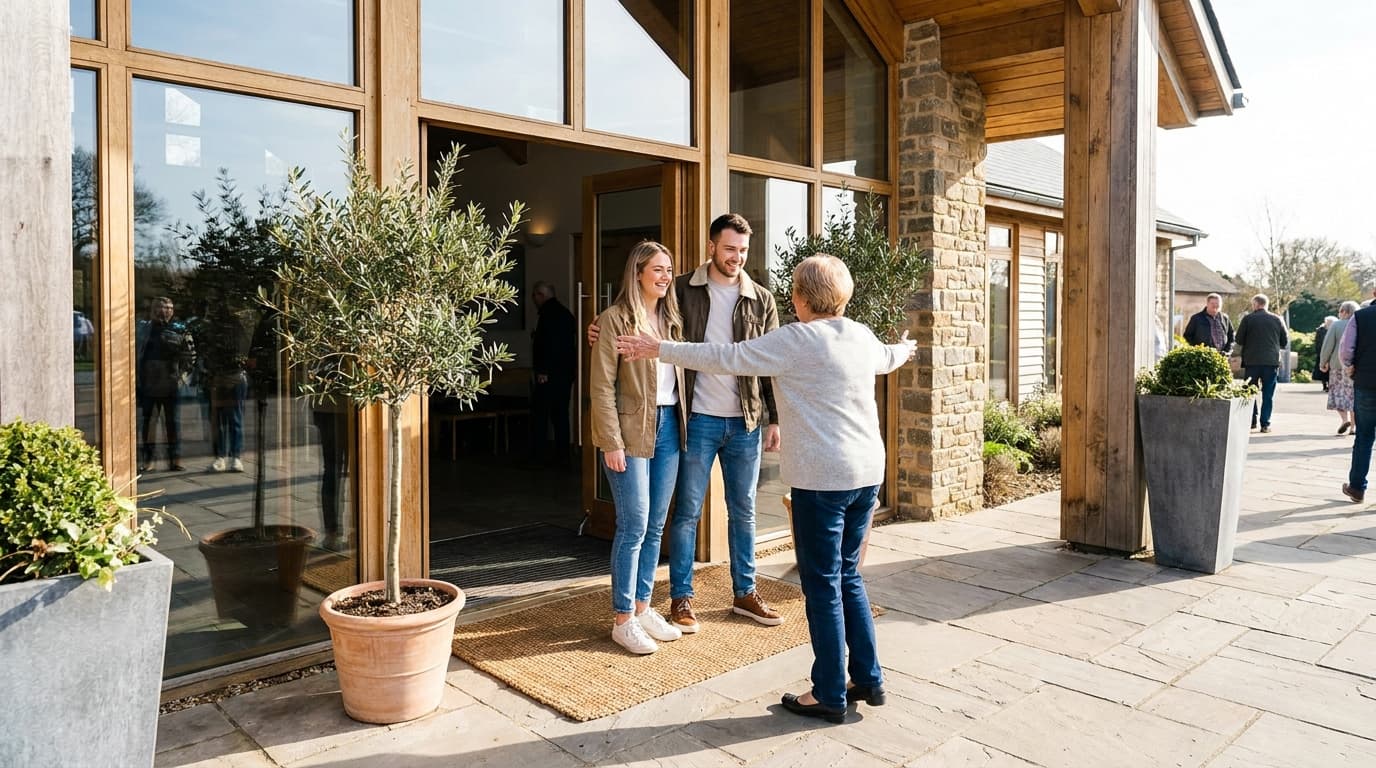
AI-powered church visitor follow-up systems guarantee that no first-time guest ever falls through the cracks. By automating immediate, personalized, and behavior-based outreach across multiple channels, these tools help churches respond within minutes instead of weeks, increasing the likelihood a visitor returns by up to 70% and giving staff their time back for genuine relationship-building.
The Two-Week Silent Treatment
A young family visits your church on a Sunday morning. They fill out a connection card and check the box that says, Tell me more about small groups. They are genuinely interested. They smile as they hand you the card.
Then they wait. Monday passes. Tuesday. Wednesday. By Thursday, they have half-forgotten about your church. By the following Sunday, if they have not heard from you, they have likely already visited another church—or decided this whole church thing isn for them.
Research is clear: the probability that a visitor returns drops dramatically after 48 hours without contact. Yet most churches take a week or more to follow up. This is the gap AI fills.
Why Traditional Visitor Follow-Up Fails
Most churches rely on a process that was designed for a different era: paper connection cards that sit in the offering plate until Monday, a church office that sorts cards and hands them to the right person, volunteers or staff who call or email days later, and a follow-up that often feels generic.
The Hidden Costs of Slow Follow-Up
A church welcoming 5 new visitors per week loses about 130 potential members per year through slow follow-up. A church welcoming 10 loses 260. These aren just numbers. These are families who were open to community and discipleship.
How AI Visitor Follow-Up Works
AI-powered visitor follow-up systems transform the process by combining speed, personalization, and multi-channel communication.
The Five Phases of AI-Driven Visitor Follow-Up
Phase 1: Immediate Acknowledgment (within minutes). The moment a visitor fills out a connection card—digitally or via OCR from paper—the AI triggers a personalized text and email welcoming them by name and offering a clear next step.
Phase 2: Personalized Nurture Sequence (Days 1-7). Based on interests indicated on the connection card, the AI builds a tailored sequence: a Day 1 email from the pastor, a Day 3 text inviting them to a relevant small group, a Day 5 email with answers to their stated questions, and a Day 7 invitation to coffee.
Phase 3: Staff Alerts and Handoffs. AI flags high-priority visitors for personal contact and assigns them to the right staff member or volunteer.
Phase 3: Behavior-Based Adaptation. If a visitor clicks a small group link, the AI adjusts the sequence to focus on community. If they click a sermon link, it shares more teaching content.
Phase 5: Long-Term Integration. AI manages the transition from visitor to regular attendee to member.
Real-World Impact
Case Study: Cornerstone Church, Tampa
Before AI, Cornerstone was following up with about 30% of visitors and seeing 12% return for a second visit. After implementing AI visitor follow-up: 100% of visitors contacted within 24 hours, second-visit return rate jumped to 58%, volunteer hours freed up for relationship-building, and they connected 40% of new visitors into small groups.
Case Study: Radiant Church, Portland
Radiant was losing first-time families. Parents would visit, but no one specifically invited their kids to youth. AI detected families with children, triggered a personalized sequence from the youth pastor, and sent kid-specific invites. Result: family return rate doubled.
What AI Visitor Follow-Up Looks Like in Practice
The Text Messages
The AI writes a text that sounds like it came from a real person at your church—because it should sound like one. Short, warm, specific.
The Emails
Each email is personalized with the visitor name, references what they indicated on their connection card, and includes a single clear next step.
The Connection Card Itself
Modern AI systems let you digitize the connection card. You place a QR code in your bulletin. Visitors scan it, fill out a 60-second form, and the AI takes over.
Addressing Common Concerns
Will this feel impersonal? No—AI handles logistics so you can be more personal, not less. Our visitors are older; will they respond to texts? Texts have a 98% open rate across all age groups. Is this worth the investment? If AI follow-up helps you retain even 5 additional families per year, it pays for itself many times over.
Implementation: A 30-Day Plan
Week 1: Audit current process, choose your platform, import your contacts. Week 2: Design your follow-up sequences. Week 3: Set up integrations, train staff, soft launch. Week 4: Full launch, monitor metrics, refine.
The Heart of Visitor Follow-Up
Every visitor who walks through your doors represents a relationship God is drawing to your church. The question is whether your systems will honor that moment or let it slip away. When you follow up quickly and personally, you communicate something powerful: we saw you, we value you, we want you here.
Related reading
- Best AI Pastoral Care Tools for Churches in 2026
- Best AI Tools for Church Visitor Follow-Up in 2026
- Pastoral Care AI Boundaries
Frequently Asked Questions
How quickly should we follow up with a visitor? Within 48 hours, ideally within 24. What if we get 50+ visitors per week? AI scales infinitely without adding staff hours. Can AI write a message that sounds like our pastor? Yes, you train it on your pastor actual voice and style. How do we measure success? Track response rate, second-visit return rate, and small-group integration rate. What about visitors who don fill out a connection card? Use a digital connection card via QR code to capture more data.
Frequently asked questions
What is AI visitor follow-up for churches?
An automated system that sends personalized emails, texts, and task assignments to first-time visitors after their initial visit, ensuring every guest gets timely outreach.
How quickly should we follow up with visitors?
First contact within hours, ideally the same day. The faster you follow up, the more likely they return.
What should a follow-up sequence include?
A welcome text (same day), personalized email (next day), phone call (within 3 days), event invitation (within 2 weeks), check-in (within 30 days).
How does AI personalize visitor follow-up?
AI uses connection card data to customize messages based on family situation, interests, age group, and engagement patterns.
What is the typical return rate for church visitors?
Without follow-up about 80% never return. With AI-powered sequences churches see 30-40% return rates.
Should follow-up be automated or personal?
Both. AI automates logistics while humans provide the personal touch. The combination is most effective.
How do we assign follow-up tasks to volunteers?
AI assigns calls and visits based on availability, skills, and demographics. It sends reminders to ensure follow-through.
Can AI handle different types of visitors?
Yes. AI creates personalized sequences for families, young adults, couples, and other demographics.
How do we measure follow-up success?
Track visitor return rate, connection rate, and response rates. Compare before and after implementing AI.
Is AI follow-up too impersonal for church?
When done right it feels more personal than forgotten connection cards. AI ensures every visitor gets timely outreach.
About this article
Published by Aligned Team, the doctrine-aware AI platform built for pastors and church leaders. Every article is grounded in Scripture and aligned to historic Christian doctrine.
Reviewed against the same doctrinal frameworks that power AlignedAI. See our editorial standards.
Published June 5, 2026. Last updated June 19, 2026.
Spotted an error or a claim that needs a source? Email our support team — we update the article and its date when a correction is warranted.
Comments
- No comments yet. Be the first to share your thoughts.